Heritage Bathroom Renovation: Preserving Adelaide Character Homes
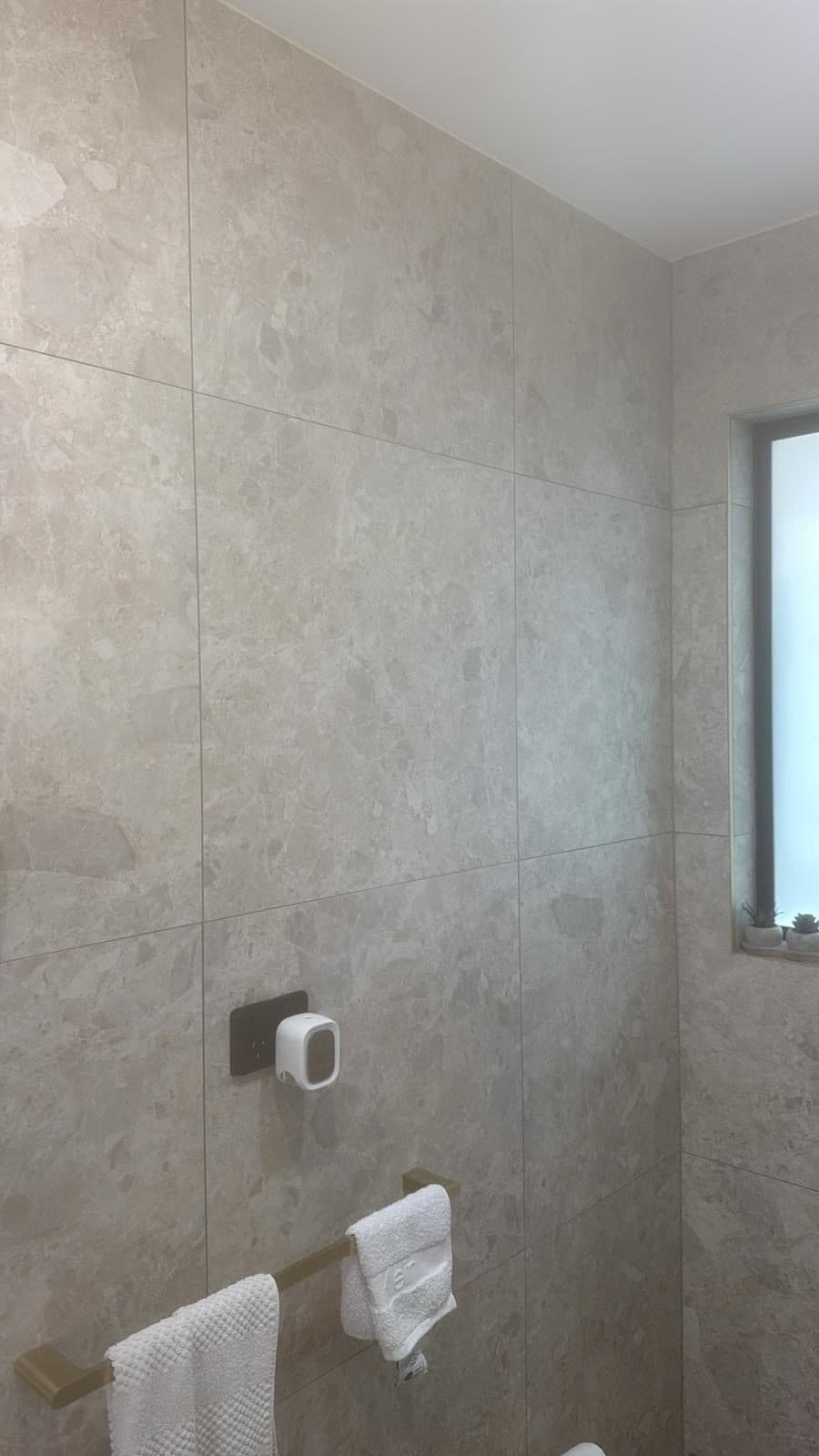
There is a particular kind of Adelaide home that stops people in the street. A bluestone villa on a tree-lined terrace in North Adelaide. A red-brick bungalow in Unley with a tessellated verandah. A Federation cottage in Prospect with leadlight over the front door. These homes carry the story of South Australia in their bones, and the people who live in them tend to feel more like custodians than owners. The bathroom, though, is almost always the weak link. Previous renovators papered over original detail with 1980s laminate, 1990s pastel tile or 2000s sheet vinyl, and the result is a room that fights the rest of the house rather than complementing it.
A heritage bathroom adelaide renovation is the art of returning the room to a period sensibility without sacrificing any of the comfort, waterproofing and performance you expect from a modern wet area. Done well, it is the single upgrade that makes the whole house feel finished. Done badly, it looks like a film set. This guide walks through how Adelaide builders, designers and owners are getting it right in 2026.
Reading the era of your home
The first move in any heritage renovation is understanding exactly what you are working with. Adelaide character homes fall into four broad eras, and each has a distinct bathroom sensibility worth leaning into rather than fighting.
Federation (roughly 1890 to 1915). Think bluestone or sandstone fronts, ornate cornices, deep picture rails and leadlight. Federation bathrooms were the first generation of dedicated indoor wet areas in South Australia, and the language is hexagonal mosaic floors, white subway or brick-pattern wall tile to dado height, deep skirting, warm brass or nickel tapware, and a freestanding cast-iron bath sitting on claw feet. Ceilings are high, so vertical emphasis in the tile layout feels right.
Edwardian (1901 to 1915). A lighter, airier evolution of Federation. Timber fretwork, stained glass, turned verandah posts. Edwardian bathrooms are gentler on pattern, more white space, more marble. Honed Carrara on a vanity top, a simple rectangular subway field, slim brass accents and a console basin on exposed legs all feel correct here.
Art Deco (1915 to 1939). Streamlined, geometric, optimistic. Curved walls, glass block, stepped cornices. Art Deco bathrooms love terrazzo, fan-shaped tile, black-and-white chequerboard, machined nickel and chrome tapware, and a bath with a more architectural profile than the Federation clawfoot. This is the era where pattern becomes structural rather than decorative.
Post-war (1940 to 1960). More modest but still full of character: Mount Gambier limestone, timber joinery, built-in vanities, pastel tile in mint, pink or eau-de-nil. A respectful post-war renovation often means reclaiming the colour palette and pairing it with warm timber and brass rather than trying to push the room backwards into Federation language it never had.
Matching the bathroom to the era of the rest of the house is the single highest-leverage decision you will make. A Federation villa does not want an Art Deco bathroom, and a 1950s bungalow does not want a clawfoot bath. Let the house tell you what it wants to be.
The material palette that works
Heritage-modern is a narrow design lane. The materials below are the ones that consistently deliver in Adelaide character homes without drifting into pastiche.
- Honed marble. Carrara, Calacatta or Arabescato in a slab vanity top or a full-height shower wall. Honed, not polished, so it reads as soft rather than glossy. Budget $900 to $1,800 per square metre supplied in 2026.
- Terrazzo. Either slab for benchtops or tile for floors. An Australian-made terrazzo with a warm aggregate sits beautifully against timber and brass. Around $450 to $900 per square metre for tile, $1,600 and up for slab.
- Subway tile. The workhorse. Handmade or handmade-look glazed subway in 75 x 150 or 75 x 225 in off-white, bone or soft green. Look for slight colour variation and a gently undulating surface. Around $90 to $180 per square metre.
- Hexagonal mosaic. Small-format hex floor tile in white, black or a period sage. Reads as instantly Federation. Around $130 to $220 per square metre.
- Warm brass tapware, unlacquered. Unlacquered or living-finish brass patinates with use, which is exactly what a heritage bathroom wants. Expect $1,400 to $3,200 for a full suite from a quality Australian or European brand.
- Freestanding clawfoot bath. Cast iron with a porcelain enamel interior if budget allows, or a good-quality acrylic alternative at a fraction of the weight. Around $2,800 to $8,500 depending on material and footprint.
- Timber joinery. Solid American oak, Victorian ash or reclaimed Baltic pine, finished in a hardwax oil rather than polyurethane. A vanity in joinery rather than melamine changes the whole feel of the room.
- Vintage-style Edison lighting. Wall sconces flanking the mirror rather than a single downlight in the ceiling. LED Edison globes at 2700K give you the warm glow without the energy bill.
What unites these materials is patina. They all improve with age. That is the opposite of most modern bathroom specification, and it is why a well-chosen heritage bathroom looks better at year ten than it did at year one.
Heritage Council rules in Adelaide
South Australian heritage protection sits across State Heritage listings and local Contributory or Historic Area listings administered by councils like the City of Adelaide, Unley, Walkerville, Norwood Payneham and St Peters, and Prospect. The rules sound intimidating but they are more reasonable than most owners expect.
As a general principle, what is protected is the external appearance of the home and any specifically identified interior features. External walls, roofline, chimneys, verandahs, front windows and front doors are the usual areas of concern. Internal wet-area finishes, in most cases, are not.
That means in a typical Adelaide heritage bathroom renovation you can:
- Retile, replumb and reconfigure internal layout without heritage approval.
- Replace all fittings, tapware, vanity, bath and shower.
- Install new waterproofing, flooring, lighting and exhaust.
What you may need approval for:
- Changing, enlarging or adding a window on an elevation visible from the street.
- Touching an original fireplace, ceiling rose, cornice or leadlight that is called out in the listing.
- Structural changes to external walls, including adding an ensuite that requires a new external door or window.
Always pull your property report from the SA planning portal before you start, and where there is any doubt, a fifteen minute phone call with your council’s heritage officer is worth more than a week of speculation. Reputable Adelaide heritage renovators do this as standard practice.
2026 pricing for heritage bathrooms in Adelaide
Heritage spec costs more than standard spec, and there is no polite way around that. The materials are more expensive, the tradespeople need more experience, and the fabrication is slower. Here is what Adelaide owners are paying in 2026.
Standard main bathroom, heritage spec. $30,000 to $50,000 for a respectful renovation with honed marble vanity, subway tile, a freestanding bath, brass tapware, timber joinery and period-appropriate lighting. The range reflects room size, complexity of existing waterproofing, and whether the floor frame needs rebuilding to take a cast-iron bath.
Ensuite. $25,000 to $45,000 depending on footprint. Ensuites are often tighter on space but sit in newer structural envelopes, so they can land at the lower end if the shell is sound.
Master ensuite with stone slab and bespoke joinery. $55,000 to $90,000. This is the specification where you see book-matched marble slabs on a feature wall, a double vanity with inset basins and brass gallery rail, a freestanding stone or cast-iron bath, underfloor heating and bespoke joinery throughout.
By comparison, a standard contemporary main bathroom in Adelaide in 2026 runs around $22,000 to $35,000. So the heritage premium is usually 30 to 60 percent, driven primarily by stone, joinery and tapware.
Timeline: why heritage takes longer
A modern Adelaide bathroom can be turned around in four to six weeks on site. Heritage bathrooms routinely run six to ten weeks, sometimes longer. The reasons are worth understanding so your expectations are calibrated.
- Stone lead time. Honed marble and terrazzo slabs are usually cut to order from suppliers in Adelaide, Melbourne or overseas. Allow three to six weeks from template to delivery.
- Bespoke joinery. Timber vanities built by a local cabinet maker rather than pulled off a showroom floor take four to eight weeks of fabrication.
- Specialist tapware. Unlacquered brass suites from Europe can sit on a six to twelve week lead time. Order at design stage, not at installation.
- Unknowns in the fabric. Removing 1980s tile off an 1890s brick wall regularly reveals lath and plaster, old pipe runs, timber floor joists that need replacing, or waterproofing that never existed. Good heritage builders price a contingency and plan for a week of unplanned work.
Any builder who promises a heritage bathroom in four weeks is either cutting corners on materials or understating the real timeline. Six to ten weeks is honest.
Heritage-listed Adelaide suburbs
If your home is in one of these suburbs, there is a reasonable chance you are working with a Contributory or State Heritage listing, and the material and stylistic decisions above apply with real force:
- North Adelaide
- St Peters
- Walkerville
- Norwood
- Kent Town
- College Park
- Prospect
- Unley
- Malvern
- Eastwood
- Parkside
- Hyde Park
Within these suburbs, the homes that command the strongest resale premium are almost always the ones where the bathroom has been renovated sympathetically rather than ripped out and modernised in a way that clashes with the rest of the home.
Mistakes to avoid
The heritage bathrooms that age badly all make the same handful of errors. Avoid these, and the room will still look right in twenty years.
- Faux-heritage plastic mouldings. Injection-moulded polyurethane cornice and architrave reads as fake at a glance. If you are replacing lost detail, match it in timber or plaster.
- Pure white grout. It ages into a dirty grey-yellow within three years. Specify a soft off-white, bone, or warm grey grout and the tile work will still look fresh at year ten.
- Modern large-format tile in an obviously period room. A 600 x 1200 polished porcelain slab has no conversation with a Federation cornice. If the room is period, the tile should be period-scale.
- Fluorescent lighting. Cool white downlights kill every warm material in the room. Specify 2700K to 3000K LED throughout, with wall sconces rather than ceiling-only lighting.
- Chromed plastic tapware dressed up as brass. It flakes within two years and looks worse than entry-level chrome. Specify real brass, PVD or solid, from a reputable Australian or European manufacturer.
- Glass-topped vanity floating above an original timber floor. The contrast of hyper-modern and hyper-period looks deliberate in magazines and confused in real life. Pick a lane and commit.
Finding the right heritage renovator in Adelaide
Heritage bathroom work is a specialist skill. The tradespeople who are brilliant at contemporary minimalist bathrooms are not necessarily the right hands for a Federation wet area, and vice versa. When you are interviewing builders, ask for:
- Three completed heritage bathrooms you can see in person or through detailed photography.
- Named stone, joinery and tapware suppliers, with confirmed 2026 lead times.
- A waterproofing certificate at completion under AS 3740.
- A written ten year structural warranty and two year fixtures warranty.
- Confirmation they have worked in your suburb and know your council’s heritage officer.
Adelaide has a deep bench of renovators who do this work beautifully, including specialists in Federation, Edwardian and Art Deco builds across the inner suburbs. Getting three comparative quotes from genuine heritage specialists is the single best way to avoid the most expensive mistake: hiring a good contemporary builder to do a job that needs a heritage sensibility.
Ready to start
A heritage bathroom renovation is one of the most rewarding upgrades you can make to an Adelaide character home. Get the era right, specify materials with patina, respect the Heritage Council process, budget honestly, and allow the time. The room that results will feel like it was always meant to be there.